
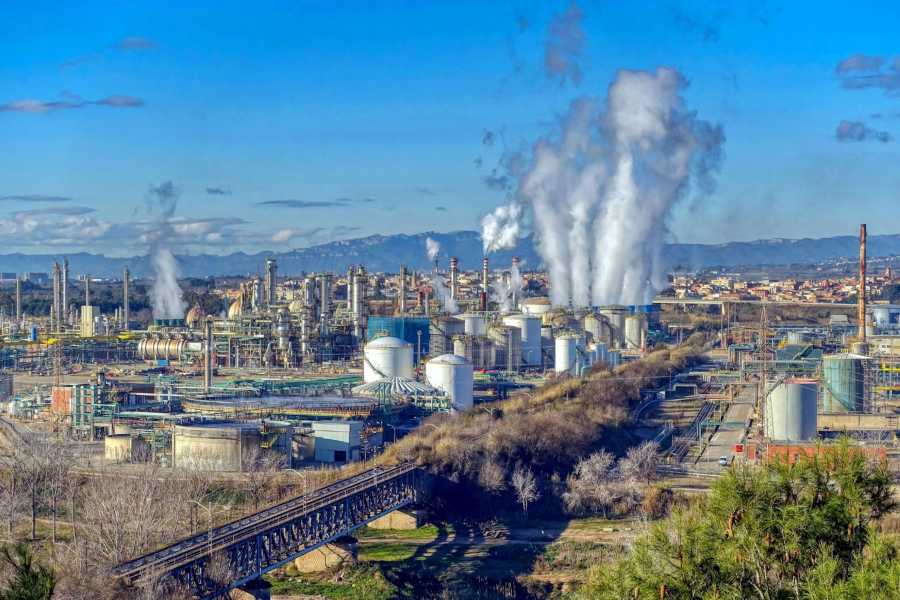
Texas has long been recognized as one of the nation’s energy leaders, and its oil refineries play a major role in that reputation. These massive industrial facilities process millions of barrels of crude oil into products that power vehicles, support manufacturing, and fuel businesses across the country. Their scale and importance make them a critical part of the energy supply chain.
While many people are familiar with Texas oil production, refining is an equally important piece of the industry’s success. Refineries transform raw crude oil into gasoline, diesel, jet fuel, and numerous other products that are used every day. The size and complexity of these operations often surprise those who have never seen them up close.
Learning about the biggest refinery in Texas provides a better understanding of how these facilities support both the state’s economy and the nation’s energy needs. Their influence extends well beyond the communities where they are located.
Why Texas Became a Refining Leader
Several factors helped Texas become one of the world’s leading refining centers. The state’s abundant oil reserves provided a reliable supply of crude oil, while access to the Gulf Coast created efficient transportation routes for both domestic distribution and international trade.
Over time, investments in pipelines, ports, railroads, and highways strengthened the industry’s infrastructure. These transportation networks allowed crude oil to move efficiently to refineries while finished petroleum products could be distributed throughout the United States and overseas.
As demand for energy continued to grow, refinery capacity expanded alongside it. Decades of development helped establish Texas as one of the most important refining regions in the world.
Some of the Largest Refineries in the State
Texas is home to several of the largest oil refineries in North America. Major refining complexes are located in cities such as Port Arthur, Baytown, Texas City, Beaumont, and Corpus Christi, each serving an important role in national fuel production.
These facilities process enormous volumes of crude oil every day, producing gasoline, diesel fuel, aviation fuel, lubricants, and numerous other petroleum products used by consumers and industries alike. Their production capacity supports transportation, manufacturing, agriculture, and many other sectors.
Although each refinery operates differently, together they form one of the largest refining networks in the country. Their combined output helps meet energy demand throughout the United States and beyond.
How Refineries Turn Crude Oil Into Fuel
Refining begins when crude oil arrives by pipeline, ship, rail, or truck. The oil passes through a series of processing units where heat, pressure, and specialized equipment separate it into different components based on their chemical properties.
Additional refining processes improve the quality of these products and remove impurities before they are blended into finished fuels and other petroleum-based materials. Modern refineries operate around the clock using sophisticated technology to manage these complex operations safely and efficiently.
The scale of these facilities is remarkable. Many occupy hundreds or even thousands of acres while housing extensive networks of processing units, storage tanks, pipelines, and support equipment that operate continuously.
The Economic Impact of Large Refineries
Large refineries contribute significantly to both local communities and the broader economy. They provide thousands of direct jobs while supporting many additional positions in construction, transportation, maintenance, engineering, and other related industries.
The movement of crude oil and refined products also supports ports, railroads, trucking companies, and pipeline operators throughout the region. These industries work together to keep energy products moving efficiently from refineries to consumers across the country.
Beyond employment, refinery operations generate tax revenue and support numerous businesses that provide equipment, services, and specialized expertise. Their economic influence extends far beyond the refinery gates themselves.
Conclusion
Texas remains one of the world’s leading refining centers because of its natural resources, transportation infrastructure, and decades of industrial development. Its largest refineries continue to play an essential role in transforming crude oil into the fuels and products that support modern life.
These facilities represent far more than massive industrial complexes. They serve as important links between energy production, transportation, manufacturing, and the everyday needs of millions of people throughout the country.
As energy demands continue to evolve, Texas refineries will likely remain central to the nation’s fuel supply. Their size, capability, and economic impact ensure they will continue shaping the state’s energy industry for years to come.