
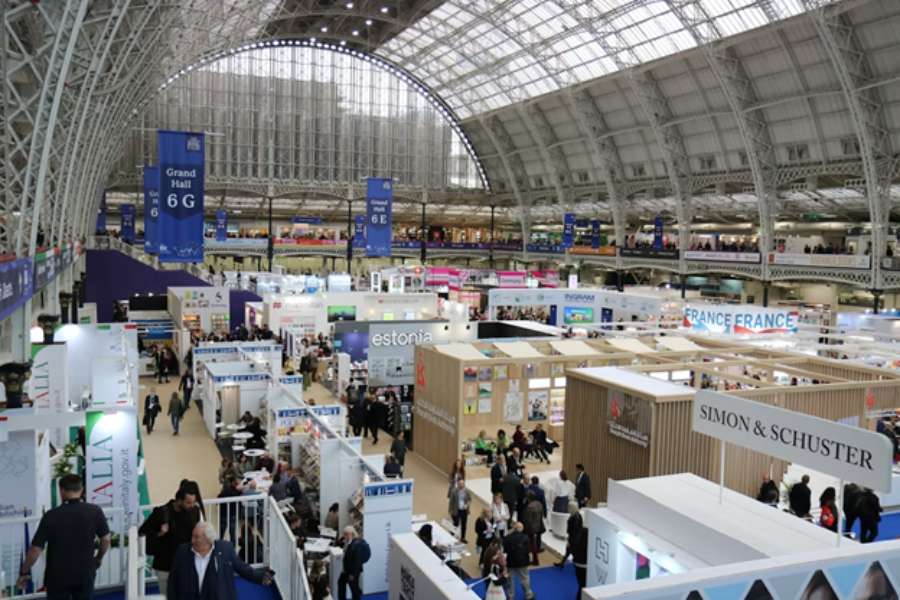
Booking your first exhibition booth can feel overwhelming.
There’s the venue, the design, logistics, cost… oh, and who will work the booth when the day comes. Nail it and one show can do more for your brand than months of online advertising.
Here’s the good news:
Trade shows are huge. Did you know that 81% of trade show goers have purchasing power. That means every interaction could be a legitimate sale.
Everything you need to know before you sign that booth contract, explained for the first-time founder.
Inside this guide:
- Why Exhibition Booths Still Work
- What Makes A Great Exhibition Stand Design
- Setting Your Budget The Smart Way
- How To Pick The Right Booth Company
- First-Time Founder Mistakes To Avoid
Why Exhibition Booths Still Work
Digital marketing is everywhere. So why bother with a physical booth?
Because selling face-to-face is still king. Someone approaches your booth. They shake your hand. They ask questions. That’s trust a website will never build. It’s authentic. It’s personal. And it sells.
Look at the numbers…
The U.S. B2B tradeshow industry crossed $15.78 billion in 2024. Analysts predict numbers will top pre-pandemic levels. That’s not an industry dying out. Founders are returning to the show floor. There’s real ROI at tradeshow events.
And here’s the kicker:
Smart exhibition stand design places your brand directly in front of buyers that want to purchase. There are no cold calls, your leads come to you. That’s why picking the right exhibition booth company uk teams is one of the most crucial decisions any first time founder will make. A great exhibition stand design partner will take care of layout, construction, and logistics allowing founders to focus on what they do best; selling.
What Makes A Great Exhibition Stand Design
Not all booths are created equal.
You’ve seen the depressing ones. Pop-up banner. Folding table made of plastic. Bowl of mints. Yeah, that’s not going to work. Excellent trade show booth designs attract attendees from across the room.
Here’s what separates the best booths from the rest:
- Clear brand messaging – visitors should know what you do in 3 seconds
- Bold visuals – big graphics, strong colours, on-brand fonts
- An open layout – no barriers between you and the visitor
- Interactive elements – screens, demos, product samples
- Good lighting – dim booths get ignored
Including booth photographs can result in a 65% increase in attendee retention. That’s a big payoff for as easy of a change as using product photography in place of generic graphics.
Pretty simple, right?
Balance. That’s the secret. Don’t try to fit too much into your space. Allow room for dialogue. Allow room for white space. Effective design is what you don’t include, not what you do.
Setting Your Budget The Smart Way
Money talk time.
Convention booths are expensive. Between booth rental, design/build, transportation, staffing, and promotional materials, costs quickly escalate. First-time founders may underestimate this fact and find themselves penny pinching where they shouldn’t be.
Here’s a rough breakdown of where the budget usually goes:
- Booth space: 36% of total spend
- Stand design and build: 25-30%
- Travel and accommodation: 14%
- Marketing materials and giveaways: 10%
- Staffing and training: 10%
- Everything else: 5%
On average exhibitors spend 36% of their budget on booth space rental. It’s the largest expense so pick your show and booth size wisely.
One last quick tip before you go: booth size doesn’t matter as much as you think. Start smaller than you feel like you should. You can always expand next year with more experience under your belt. Better to have a successful 3×3 booth than a failed 6×6 booth.
Also – don’t spend the entire budget on the build. Leave some money for follow-up. Leads are worthless if no one follows up after the event.
How To Pick The Right Booth Company
The company you pick will make or break your first show.
There are hundreds of booth builders worldwide. Some are awesome. Some will take your money and give you a booth completely different from the mockup you approved. Pick wisely.
Look for these things when shopping around:
- A strong portfolio – actual photos of built booths, not just renders
- Client testimonials – preferably from other founders and startups
- Transparent pricing – no vague quotes or hidden fees
- In-house design team – so nothing gets lost in translation
- Logistics support – transport, install, and dismantle all handled
Great booth companies operate like consultants. They ask questions about your brand, objectives, and the event you’re exhibiting at before they open a design file. If you receive a templated quote in 5 minutes with no questions asked – run.
Consider location too. If your show is in the UK, then hiring a UK-based team will save a lot of money on travel and you’ll have someone local if anything goes wrong.
First-Time Founder Mistakes To Avoid
All beginners do at least one of these. Don’t be the newbie that does them all.
Booking at the last minute: If you leave it until 3 months before the show to book your booth, you’ll end up stuck in the corner near the toilets. Booth positions at major exhibitions sell out quickly so book 6-9 months in advance.
Neglecting to create hype beforehand: Don’t walk up to a show expecting people to magically know you’re there. Post on LinkedIn. Email your list. Spread the word that you’ll be at the show and what booth number you are located at.
Having too few people at the booth: One person can’t staff a booth alone. They need bathroom breaks. They need to eat lunch. They can’t talk to two people at once. Double staffing, minimum. Triple is ideal.
Poor follow-up: 50% of trade show buyers select the first vendor to respond. If it takes you a week to send that follow-up email, you just lost the sale.
Unclear objective: “Generating leads” is not a goal. “Scheduling 20 demo calls” is. Define targets ahead of the show and measure everything.
Bringing It Home
Booking your first exhibition booth is exciting – but shouldn’t be intimidating.
Get the fundamentals right and the rest falls into place:
- Pick a show where your ideal customers actually attend
- Invest in a proper exhibition stand design that reflects your brand
- Work with a booth company that treats you like a partner
- Set a realistic budget with room for follow-up
- Show up prepared with clear goals and a trained team
Successful trade show winning founders don’t have the biggest budgets. They plan adequately, choose wisely, and follow up quicker than others.
Your first booth doesn’t have to be perfect. It just has to be intentional.