
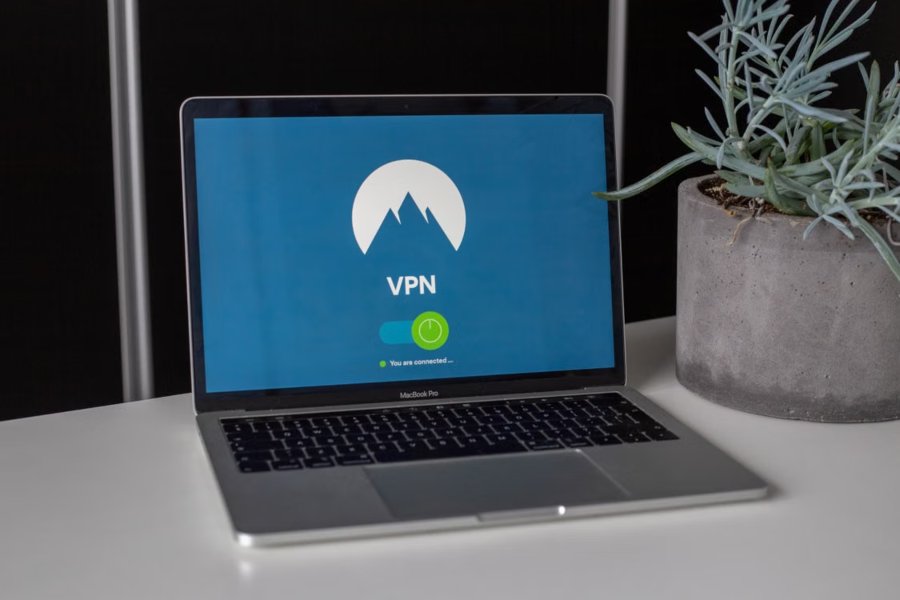
Much of the world takes the convenience of using VPNs to find better prices online or to continue watching geo-restricted shows while on vacation for granted. While we see it as a handy tool for protecting anonymity and lifting arbitrary restrictions, some regimes think of VPNs as a grave threat.
Why is that? Why do some countries block VPNs, and can their citizens or visitors do anything about it? Here’s what you need to know.
What Reasons Do Countries Have to Block VPNs?
A VPN’s core features make it undesirable and dangerous in authoritarian countries that subject citizens to mass surveillance. On the one hand, VPN clients use encrypted connections to connect to VPN servers worldwide. That means users can communicate or share files with others without their ISP’s knowledge. Responsible providers use no-logging policies to keep their users’ browsing habits safe from inspection as well.
On the other hand, VPNs circumvent geo-restrictions. They let people in repressive regimes access sites on the free internet and encounter information that contradicts local propaganda. While specific restrictions vary by country, VPNs either don’t work or suffer restrictions for the same broad reasons.
Governments claim – sometimes rightly so – that VPNs are dangerous because they allow terrorists to communicate and coordinate attacks without risking detection. However, such fringe cases and blanket national security concerns are also a convenient excuse to impose restrictions on the entire population.
Some countries obstruct VPNs on moral and religious grounds. For example, VPNs aren’t illegal in the UAE per se. However, people can still get into trouble if they use them to access content the government deems pornographic or blasphemous.
Surveillance is the most common and logical reason, though. Restricting citizens to walled-off and monitored online spaces reinforces control and lets authorities quickly identify troublemakers. VPNs let ordinary people organize and voice their dissent without fear of reprisal. They’re instrumental for whistleblowers who wish to draw the world’s attention to local atrocities and need a secure way to contact outside media.
VPNs also enable the downloading and distributing of copyrighted or undesirable material illegally. It’s in repressive regimes’ best interest to crack down on them since such content can eventually reach a far larger audience.
What Methods Do They Use?
It’s possible to block or at least severely hinder VPN services in several ways. The most straightforward is to ban access to their international websites. If you can’t sign up to create an account, you can’t start using a VPN. This is a good enough defense to stop most people, but it’s not enough against tech-savvy individuals or someone who installed a VPN while they were abroad.
Blocking IP addresses is a more reliable method. Countries with unfavorable attitudes towards VPNs keep records of known associated IPs. They then blacklist these IPs and deny them access. While providers don’t always utilize sequential IPs, they do rely on IP ranges. Identifying and then banning such a range is an effective way of reducing individual VPN effectiveness.
Using deep packet inspection or DPI is even more sophisticated. It’s currently impossible to crack complex encryption algorithms like AES 256-bit, meaning neither ISPs nor governments can extract the contents of someone’s messages or data exchanges.
However, DPI lets them infer much. It’s possible to combine packet size, port info, timing, and communication patterns to make educated guesses. Government-owned ISPs can use this information to create exclusion rules that successfully identify and block data transmitted via VPN without having access to the data itself.
Blocking VPN traffic outright isn’t the only method. ISPs can throttle VPNs, greatly reducing their effectiveness. It’s beneficial on multiple levels. For one, the government can claim it doesn’t stifle citizens’ freedoms while keeping tight control over access to undesirable content and services. It’s also a convenient way of identifying individuals who try to bypass such restrictions with a VPN.
Are There Ways Around These Restrictions?
Yes, there are methods of making VPNs viable – even in countries that block them. While possible, this might not be advisable if the government enforces a general VPN ban and associated penalties. These range from fines and ISP bans to legal action and imprisonment.
Switching protocols are among the first things worth trying. For example, it’s easy to identify and block PPTP or L2TP/IPSec, while OpenVPN is more challenging to overcome.
A blocked IP range doesn’t necessarily mean a VPN has become useless. Connecting to one of its other server locations might do the trick. As might paying for a dedicated IP address since they’re less suspicious.
Some providers even offer obfuscated servers. They use different ports and make VPN traffic resemble regular HTTPS data exchange. That makes detection and action from governments and their ISPs less likely.
Conclusion
VPNs have the potential to disrupt authoritarian societies and bring about change. Unsurprisingly, authoritarian regimes go to great lengths to keep their existence secret, hinder their operation, and punish individuals caught using one. The cons of VPN use in such places can be daunting, but doing so lets one expose lies, find like-minded supporters, and alert the international community to plights that would otherwise go unheard. For anyone concerned about online safety, using a VPN alongside the best antivirus provides more comprehensive protection against both surveillance and cyber threats.