
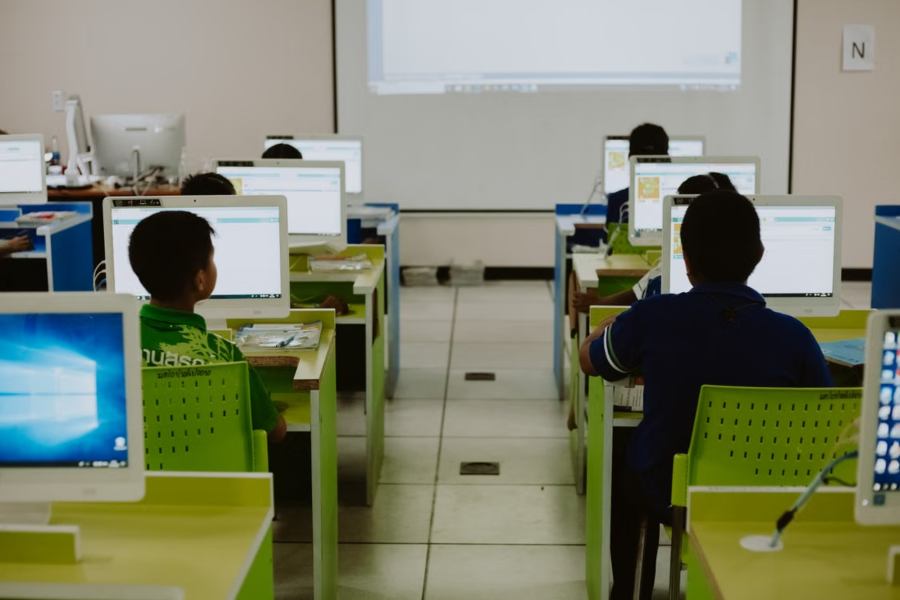
Anyone who has spent time in a school office knows the daily juggling act: getting morning announcements out, updating the lunch menu, reminding students about a bake sale, alerting parents to an early dismissal, and somehow doing it all before the first bell rings. For decades, schools have relied on a patchwork of tools to manage this — intercom announcements, printed notices sent home in backpacks, bulletin boards in the hallway. It works, mostly, but it’s slow, inconsistent, and easy for important information to fall through the cracks.
A growing number of K-12 schools are replacing that patchwork with something simpler: digital screens placed around the building that update automatically and reach students, staff, and visitors the moment something changes.
Why Schools Specifically Face a Unique Communication Challenge
Schools aren’t just communicating with one audience — they’re managing several at once. Students need to know about schedule changes and events. Teachers need updates on meetings, substitute assignments, and policy changes. Parents need to be informed about closures, pickup changes, or school-wide announcements. And visitors, from substitute teachers to parents attending a conference, need basic wayfinding help just to find the right room.
Trying to serve all of these audiences through paper notices, PA systems, and email newsletters creates gaps. A flyer posted in one hallway doesn’t help a parent picking up their child from the front office. An email sent home might not be read until after school lets out. Digital signage closes these gaps by putting the same information in front of everyone, in real time, wherever they happen to be in the building.
What This Looks Like in a School Setting
Front office and entrance screens. The first thing a visitor sees sets the tone. A welcome screen showing the day’s events, visitor check-in instructions, or a simple directory helps parents and guests feel oriented immediately, without needing to ask front-office staff basic questions.
Cafeteria menu boards. Instead of a printed menu that’s often outdated by the time it’s laminated, digital menu boards can be updated the moment a substitution happens — no more confusion about what’s actually being served that day.
Hallway and classroom displays. Screens placed in main hallways can rotate through daily announcements, upcoming events, sports schedules, and even student recognition — birthdays, honor roll, and club achievements — giving schools an easy way to celebrate students publicly without printing anything.
Emergency and safety alerts. Perhaps the most important use case: in the event of a lockdown, weather closure, or other emergency, screens throughout the building can display clear instructions instantly, supplementing whatever other emergency systems the school already has in place.
Staff rooms and administrative areas. Internal announcements, meeting schedules, and HR updates can be shared with teachers and staff without relying on memos that get buried in inboxes or hallway conversations.
Why This Matters More at the School Level Than People Realize
It’s tempting to think of digital signage as a “nice to have” upgrade, similar to updating old furniture or repainting hallways. But for schools specifically, the stakes are a little different. Miscommunication in a school setting doesn’t just cause minor inconvenience — it can mean a parent showing up at the wrong entrance, a substitute teacher walking into the wrong room, or worse, students and staff not receiving timely safety information during an actual emergency.
This is part of why platforms like novisign for schools have found a natural fit in K-12 environments. Rather than requiring a dedicated IT department to manage updates, school administrators can control content across multiple screens — offices, cafeterias, hallways, gyms — from a single, centralized dashboard, pushing out schedule changes or emergency notices the moment they’re needed, without waiting on someone to physically update a bulletin board.
The Budget Conversation Schools Actually Care About
Many school administrators assume digital signage is an expensive, complicated addition better suited to large universities with bigger budgets. In practice, the ongoing costs of the old system — printing, laminating, replacing outdated materials, staff time spent manually updating boards — often add up to more than people expect over the course of a school year. Digital signage shifts that spending from recurring printing and labor costs toward a system that, once set up, requires far less day-to-day maintenance.
There’s also a simpler benefit that’s easy to overlook: consistency. When every screen in the building pulls from the same content system, there’s no risk of one hallway showing outdated information while another shows something different. Everyone, regardless of where they are in the building, sees the same accurate message at the same time.
A Small Change With a Noticeable Impact
Schools don’t need flashy technology to function well — they need reliable, low-friction ways to keep everyone informed. Digital signage isn’t about making a school feel more “high-tech” for its own sake; it’s about closing the communication gaps that have quietly existed in school buildings for years. A menu that’s always accurate, a hallway announcement that updates in seconds, an emergency message that reaches every screen in the building at once — these are small, practical improvements, but they add up to a noticeably smoother-running school.
As more districts look for ways to modernize without adding administrative burden to already-stretched staff, digital signage offers something rare: a tool that actually reduces daily workload while improving how effectively the school communicates with the people who depend on it most — students, staff, and families alike.