
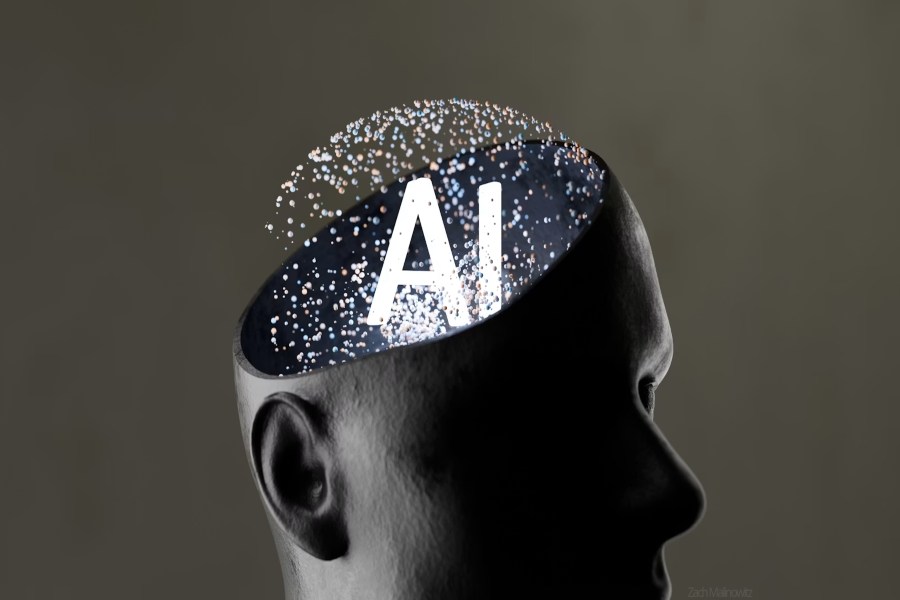
The AI revolution is well underway, transforming industries ranging from healthcare to finance, e-commerce, and beyond. Companies across the globe are seeking skilled AI developers to help them stay competitive in an increasingly tech-driven world.
However, as demand for AI talent grows, finding the right professionals is becoming more and more challenging. While traditional job boards have been a go-to resource for recruiting talent in many industries, they often fall short when it comes to hiring AI developers. In fact, relying on these platforms may actually hinder your efforts in securing the AI talent your company needs.
This article explores why traditional job boards aren’t effective for finding top AI talent and introduces more targeted, strategic approaches to help you hire the right AI developers.
The Growing Challenge of Finding Skilled AI Developers
AI developers are in high demand. A recent report by LinkedIn found that the need for AI talent has grown by 74% over the past four years. This surge in demand, combined with a limited pool of qualified professionals, makes the hiring process for AI roles extremely competitive. AI developers typically possess specialized knowledge in machine learning, neural networks, natural language processing, and other complex fields that traditional hiring methods often struggle to target.
As businesses race to fill their AI positions, traditional job boards can seem like an easy solution. However, relying solely on these platforms may not lead to the best results. Job boards are overwhelmed with generic job postings, attracting countless unqualified candidates, and lacking the necessary tools to help you sift through the noise.
Below is a table comparing traditional job boards with alternative strategies for sourcing AI talent:
| Method | Pros | Cons |
| Traditional Job Boards | Easy to use, wide reach | Overloaded listings, generic job posts, lack of technical screening |
| Specialized AI Platforms | Targeted audience, skilled candidates | Smaller pool of applicants, potential higher costs |
| Freelance Platforms | Flexible for short-term or project-based work | Often lacks long-term stability, requires more management |
| Networking and Referrals | Access to trusted, vetted candidates | Time-consuming, relies on existing networks |
| Partnering with Agencies | Professional screening, quicker turnaround | Higher cost, less control over the process |
Why Traditional Job Boards Fail to Attract Top AI Talent
Let’s delve deeper into the reasons why traditional job boards fail to meet the needs of companies searching for AI developers.
Overloaded Listings and Lack of Specificity
Traditional job boards are packed with job listings across every industry and sector. While this broad reach might seem advantageous, it often results in generic postings that fail to capture the unique, specialized skills required for AI roles. For instance, roles such as Machine Learning Engineer or AI Research Scientist require expertise in specific technologies, languages, and frameworks that are not easily conveyed in a standard job posting.
These job boards simply don’t have the means to showcase the level of detail needed to attract the right candidates for specialized positions like AI talent. The lack of specificity in job listings can lead to misalignment between job requirements and applicant capabilities.
Quantity Over Quality
The open nature of job boards means they attract a high volume of applicants. While this can be beneficial for certain roles, it’s a double-edged sword when it comes to hiring AI talent. AI positions demand a highly specific skill set, and job boards often bring in unqualified applicants who don’t possess the necessary expertise. This results in companies sifting through hundreds of resumes that may not even meet the basic technical qualifications.
Furthermore, job boards can’t effectively filter applicants by technical competency, meaning companies must invest considerable time and effort to manually screen resumes and conduct interviews to identify the right fit. This inefficiency can delay the hiring process and increase the chances of making a poor hire.
Limited Screening Capabilities
Traditional job boards offer little to no technical screening of applicants. AI roles often require candidates to possess deep, specialized knowledge that goes beyond what can be captured on a resume. While a candidate may appear qualified on paper, there’s no way to ensure they have the practical experience and technical expertise needed to succeed in an AI role.
This lack of screening means that companies relying on traditional job boards may find themselves in situations where they’ve invested time and resources into interviewing candidates who ultimately don’t meet the technical requirements for the position. Without a robust vetting process, the quality of candidates can vary significantly, leading to frustration and wasted effort.
Alternative Strategies to Find AI Talent
Given the shortcomings of traditional job boards, companies need to embrace more targeted and specialized approaches when looking to hire AI developers. Below are five strategies that can help you source high-quality AI developers and create a stronger, more effective recruitment pipeline.
Strategy 1: Specialized AI Talent Platforms
There are now many platforms dedicated to connecting businesses with AI talent. These specialized platforms focus solely on tech and AI professionals, which ensures a more relevant and qualified candidate pool. Platforms like Braintrust cater specifically to the AI space, offering employers the ability to post jobs where they’re more likely to attract experienced developers.
Specialized AI platforms help companies cut through the noise of generic job boards by targeting candidates who are actively engaged in the field. While these platforms may have a smaller candidate pool compared to large job boards, the talent pool is generally of higher quality.
Strategy 2: Leveraging Freelance Platforms for Short-Term AI Projects
For businesses looking to hire AI talent for short-term or project-based work, freelance platforms like Upwork can be valuable resources. These platforms allow you to hire AI professionals for specific projects without committing to a long-term employment arrangement. Freelancers often bring specialized skills and can deliver results quickly, making them an ideal option for short-term AI needs.
Freelancers also offer flexibility, allowing companies to bring in expertise as needed while keeping costs under control.
Strategy 3: Networking and Referrals Within the AI Community
Networking remains one of the most effective ways to find quality AI talent. The AI community is tight-knit, and many developers rely on referrals from colleagues, mentors, or peers in the industry. By engaging with AI-focused communities, attending conferences, or participating in online forums and discussion groups, companies can tap into a network of vetted talent.
Referrals tend to bring in more trustworthy candidates since they come from professionals who understand the requirements of the role and the expectations of the hiring company. Networking is time-consuming, but it’s a proven method for finding reliable, high-quality AI talent.
Strategy 4: Partnering with Agencies
AI recruitment agencies specialize in sourcing top-tier tech talent, including developers with AI expertise. These agencies have extensive networks and can screen candidates thoroughly before presenting them to companies. While partnering with an agency typically comes with a higher cost, the time and effort saved in finding and vetting candidates can be well worth it for companies looking to fill AI positions quickly.
Agencies offer the added benefit of understanding the nuances of the AI industry and can provide tailored recruitment solutions based on a company’s specific needs.
Strategy 5: Collaborating with Universities and Research Institutions
AI research is rapidly advancing, and universities and research institutions are at the forefront of new AI discoveries and innovations. By partnering with these institutions, companies can gain access to a pool of talented students and researchers who are already immersed in the latest AI technologies. Many universities offer internship programs and career fairs where companies can connect with emerging talent before they enter the workforce full-time.
Collaborating with academic institutions also allows companies to mentor and train young professionals, helping them develop the skills needed to thrive in the AI space.
Conclusion
Traditional job boards may be a convenient tool for recruiting general talent, but they fall short when it comes to hiring specialized AI talent. The highly competitive nature of AI recruitment, combined with the lack of specificity, poor applicant screening, and overwhelming volume of applications, makes it increasingly difficult for businesses to find the right candidates through these platforms.
Instead, companies should consider more targeted strategies, such as leveraging specialized AI platforms, tapping into freelance resources, networking within the AI community, working with recruitment agencies, and collaborating with universities. These approaches allow businesses to connect with qualified, vetted AI developers who can drive innovation and help their company stay ahead of the competition.
In today’s rapidly evolving tech landscape, finding the right AI talent requires a more specialized and strategic approach than traditional job boards can offer. The future of AI recruitment lies in adopting these innovative methods to build a capable and efficient tech team.